
Polaris Peptides Blog
Guides to the research peptides people ask about most: what each compound is, what the research has looked at, and which vial to choose.
Latest guides on the Polaris Peptides blog
Eight guides so far, each built around one compound we stock. New guides follow the products people ask about most.
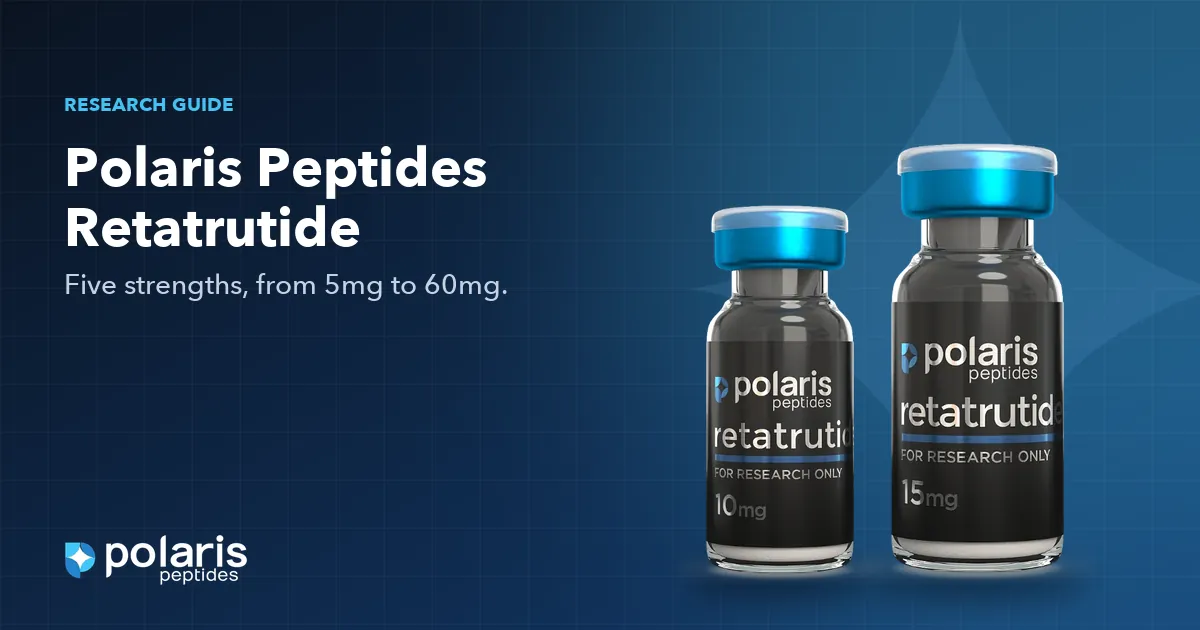
Polaris Peptides Retatrutide: All Five Strengths Compared
Retatrutide 5mg to 60mg, what the trials found and which vial to pick.
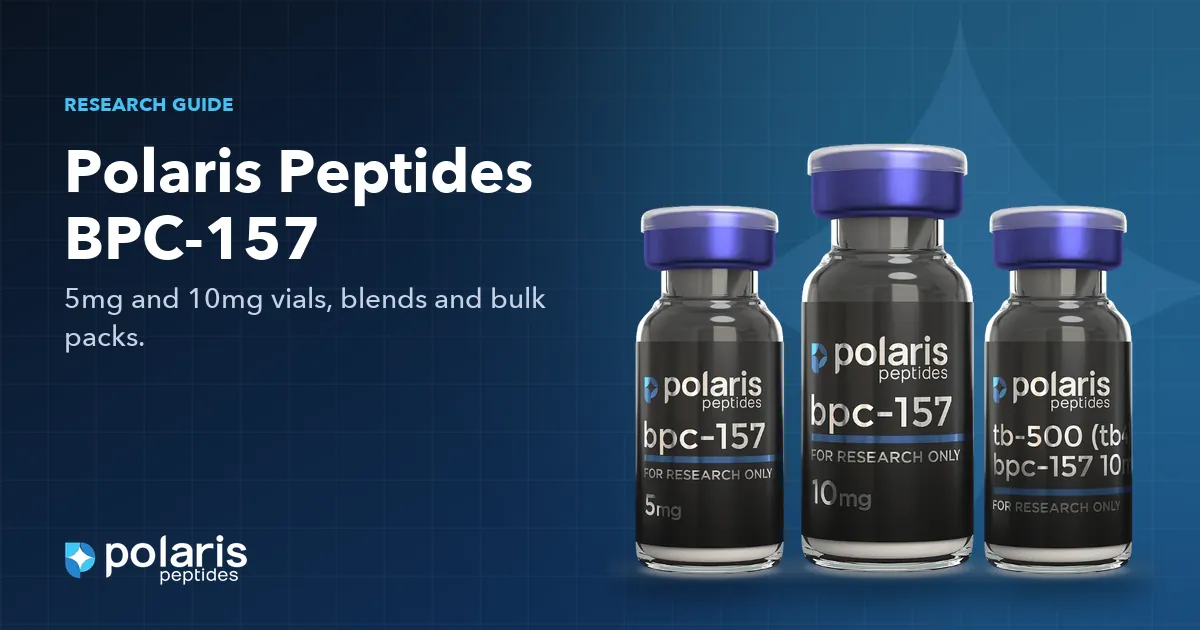
Polaris Peptides BPC-157: 5mg, 10mg and the Blends
The two BPC-157 vials, the TB-500 blend and the research behind them.
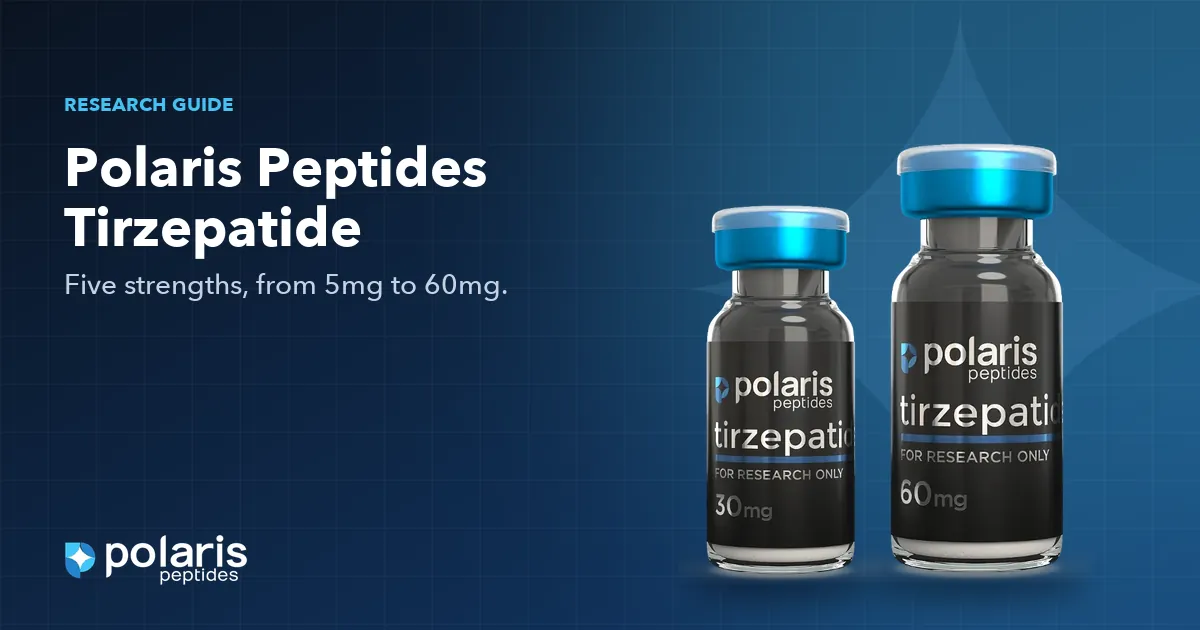
Polaris Peptides Tirzepatide: Picking a Strength
Tirzepatide 5mg to 60mg and how the dual agonist works.
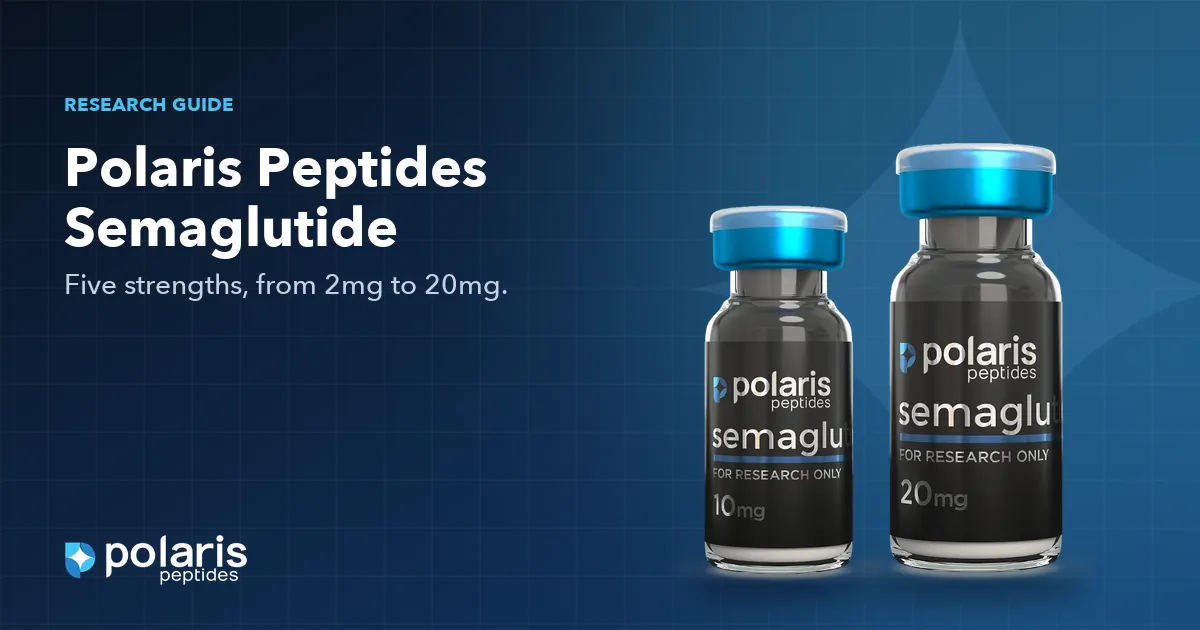
Polaris Peptides Semaglutide: 2mg to 20mg
Every semaglutide strength, the cagrilintide blends and the research.
Polaris Peptides TB-500: The Vial and the Blend
What TB-500 is, the 10mg vial and the BPC-157 TB-500 blend.
Polaris Peptides GHK-Cu: Vials, Powder and Blends
GHK-Cu 50mg, the 1 gram raw powder and the GLOW and KLOW blends.
Polaris Peptides NAD+: The 500mg Vial Explained
What NAD+ is, how labs use it and how to mix the 500mg vial.
Polaris Peptides Reddit Questions, Answered
The questions people ask about Polaris Peptides, with straight answers.
What the Polaris Peptides blog covers
Each guide focuses on one compound we sell. It explains what the compound is, summarizes the published research with links to the original studies on PubMed and ClinicalTrials.gov, and compares the vial sizes so you can pick the right one.
Here’s what each guide covers. The retatrutide, tirzepatide and semaglutide guides compare all five strengths of each GLP-1 compound and summarize the big trials. The BPC-157 and TB-500 guides cover the repair peptides and the blends that combine them. GHK-Cu walks through the vial, the raw powder and the GLOW and KLOW blends, and NAD+ explains the 500mg vial. The Reddit questions guide answers what people ask about Polaris Peptides in forums.
The guides don’t give dosing advice. Everything we sell is for laboratory research, so the blog sticks to chemistry, mechanisms, published findings, storage and mixing.
How the Polaris Peptides blog is written
Each post starts from the published literature, not from marketing claims. Where a study is a small rodent experiment, we say so. Where a human trial reported a number, we give the number and the journal, so you can look it up. Prices and pack sizes on the blog come from the live product pages, and every product mention links back to the shop.
The Polaris Peptides blog is also the place to send colleagues who ask what a compound is. Each guide is short enough to read in a few minutes, with a FAQ at the end that’s fully visible, not hidden behind clicks.
Reading research summaries the right way
A quick guide to the kind of evidence you’ll see cited. A cell study tells you what a compound can do in a dish. A rodent study tells you what happens in a living animal, but doses and results often don’t carry over to people. Human trials are the strongest evidence, and the phase matters: phase 2 trials are small and short, while phase 3 trials enroll thousands of people. Every Polaris Peptides blog post says which kind of study a finding comes from.
Shop the compounds from the Polaris Peptides blog
Every guide links to the products it covers: retatrutide, BPC-157, tirzepatide, semaglutide, TB-500, GHK-Cu and NAD+. Or browse the full list of peptides for sale.
Products from the Polaris Peptides blog
The four compounds the Polaris Peptides blog covers most, each a click away from its product page.
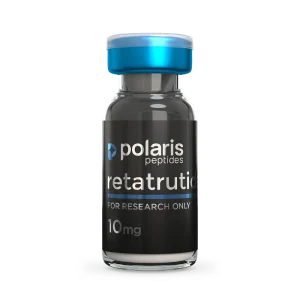 Retatrutide 10mg
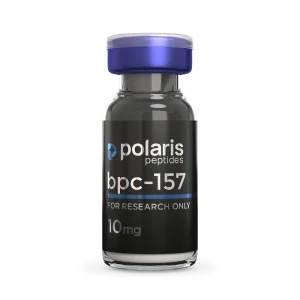 BPC-157 10mg
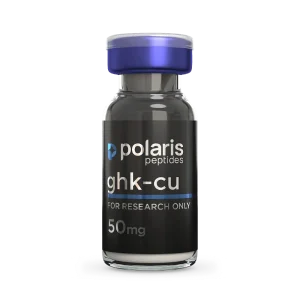 GHK-Cu 50mg
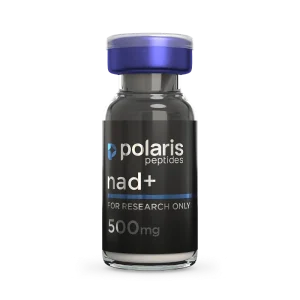 NAD+ 500mg
Ready to order?
All 62 products are in stock, with bulk packs up to 30% off.
Polaris Peptides products are sold for laboratory research use only. They aren’t for human or veterinary use and haven’t been evaluated by the FDA.